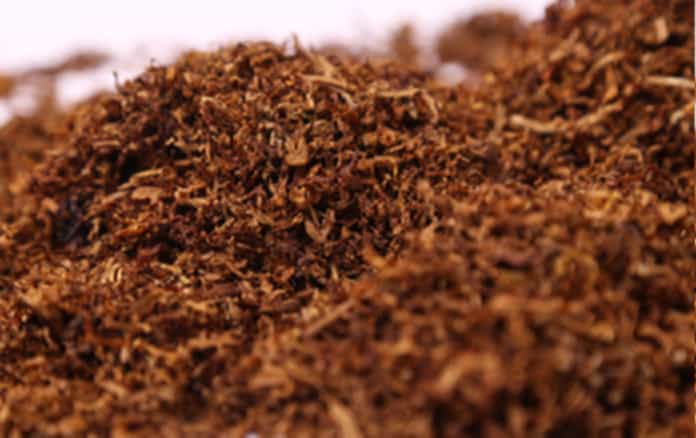
Cut rag tobacco, a cornerstone of the tobacco industry, is a world that goes beyond mere manufacturing. It involves a meticulous process of selecting high-quality tobacco, cutting it into thin strips, and using it for various purposes such as rolling cigarettes or pipe smoking. The mastery behind the blends that give each batch its unique flavor and aroma is a testament to the craftsmanship that has been honed over centuries. From its rich history to the intricate production process, the world of cut rag tobacco is a fascinating journey that captivates both industry professionals and enthusiasts alike.
Introduction to Cut Rag Tobacco
Cut rag tobacco, a fascinating topic that has been at the heart of the tobacco industry for years. This intriguing subject takes us on a journey from the selection of the finest tobacco leaves, through meticulous processing, to the creation of premium blends.
The Rich History of Cut Rag Tobacco
The history of cut rag tobacco is as rich and complex as the product itself. Over the years, the process of producing cut rag tobacco has evolved, with advancements in technology and changes in consumer preferences shaping its development.
The Production Process of Cut Rag Tobacco
The size and style of the cut rag tobacco can significantly impact the flavor and aroma of the final product, adding depth and complexity to the smoking experience. The process involves several steps, including harvesting tobacco leaves, fermenting them, threshing the fermented leaves into threshed tobacco material, moistening the threshed material, cutting the moistened material into cut tobacco, and finally drying the tobacco.
The Role of Technology in Cut Rag Production
Modern tobacco processing methods, such as those used in the production of cut rag tobacco, maintain the original tobacco flavor and smoking characteristics, while allowing for the utilization of existing equipment and infrastructure.
The Different Blends of Cut Rag Tobacco
Cut rag tobacco is available in a variety of blends, each with its unique characteristics and flavor profiles.
American Blend
The American Blend is a popular choice among smokers, featuring a mix of Flue-Cured Virginia, Burley, and Oriental tobaccos.
English/Virginia Blends
English/Virginia Blends, on the other hand, are made up of 100% U.S. Flue-Cured or Virginia tobaccos, offering a different taste experience for tobacco enthusiasts.
The Significance of Cut Rag in the Tobacco Industry
Cut rag tobacco plays a significant role in the tobacco industry, particularly in the manufacturing of cigarettes and pipe tobacco.
Cut Rag in Cigarette Manufacturing
In cigarette manufacturing, cut rag tobacco is converted into batches that are ready to be made into cigarettes. The process involves blending various types of tobacco ingredients and adjusting the moisture content to ensure optimal quality.
Cut Rag in Pipe Tobacco
In the realm of pipe tobacco, cut rag tobacco provides a unique smoking experience, with its finely cut strands offering a distinct flavor and aroma,
The Global Impact of Cut Rag Tobacco
Cut rag tobacco has a global impact, with its production and consumption spanning across continents.
Cut Rag Tobacco in the United States
In the United States, cut rag tobacco is a key component in the production of various tobacco products, including cigarettes and pipe tobacco.
Cut Rag Tobacco in Europe
In Europe, cut rag tobacco is widely used in the production of cigarettes, with many smokers preferring the American Blend.
JPS cut rag tobacco
Based on the search results provided, there is no specific information about “JPS cut rag tobacco.” The search results do not contain details about this particular brand or product within the context of cut rag tobacco. Cut rag tobacco generally refers to tobacco that has been cut into fine strips for use in cigarettes and other tobacco products, and JPS could refer to a brand name, but without specific information in the search results, it is not possible to provide a detailed answer about “JPS cut rag tobacco.” If you are looking for information on this topic, you may need to consult additional sources or databases that specialize in tobacco products and brands.
Best cut rag tobacco drying techniques
The best drying techniques for cut rag tobacco involve a combination of careful handling, controlled environmental conditions, and specific processing methods. Here are some of the most effective techniques based on the search results:
- Sun Drying: This is a traditional method where the harvested tobacco is left in the field for sun-drying for 4 to 6 days. The plants are turned upside down for drying of the remaining portion after 2-3 days.
- Field Wilting: After cutting, tobacco should be allowed to wilt in the field for a few hours to facilitate handling and prevent sunburn. Cutting tobacco late in the afternoon and allowing it to lie overnight before spiking can also work well, provided rain does not occur during the night to splash mud onto leaves.
- Air-Curing: This method involves removing all of the natural sap and moisture from tobacco leaves. The tobacco is hung in a well-ventilated barn and allowed to dry over a period of time. The process can take from a few days to several weeks depending on the specific type of tobacco and the environmental conditions.
- Flue-Curing: This method involves using heat to cure the tobacco. The heat is carefully controlled to ensure that the tobacco dries evenly and at the right pace. The tobacco is placed in a curing barn where heat is introduced through flues, or pipes, that run from a furnace into the barn.
- Fire-Curing: In this method, the tobacco is exposed to smoke from a low-burning fire. The smoke and heat cure the tobacco over a period of several days to several weeks. This method is often used for dark tobaccos.
- Re-Drying: This is a stage in tobacco processing, the purpose of which is to obtain a uniform moisture content specified by the customer. Re-drying involves removing moisture from the tobacco leaves by applying heat.
Newport cut rag tobacco
Based on the search results, there is no specific information about “Newport cut rag tobacco.” The search results do not contain details about this particular brand or product within the context of cut rag tobacco. Cut rag tobacco generally refers to tobacco that has been cut into fine strips for use in cigarettes and other tobacco products, and Newport could refer to a brand name, but without specific information in the search results, it is not possible to provide a detailed answer about “Newport cut rag tobacco.” If you are looking for information on this topic, you may need to consult additional sources or databases that specialize in tobacco products and brands.
Quality Control in Cut Rag Tobacco Production
Quality control in cut rag tobacco production is a critical aspect that ensures the final product meets the highest standards of flavor, aroma, and overall quality. It involves several steps and techniques, including:
- Selection of Tobacco Leaves: The first step in the production process is the selection of tobacco leaves. Only the finest leaves are chosen, ensuring that the cut rag tobacco produced is of the highest quality https://mardicrepeclub.com/cut-rag-tobacco.htm
https://staragritech.com/product/cut-rag-and-processed-tobacco-blends/6. - Cutting and Drying: Once the leaves have been selected, they are cut into small pieces, or rags . These rags are then dried to reduce their moisture content and enhance their flavor.
- Quality Control Checks: After the cut rag tobacco has been dried, it undergoes rigorous quality control checks before being packaged and distributed.
- Testing: Quality control laboratories are equipped to test all the parameters of cut tobacco, like moisture, filling power, sieve analysis, and tobacco degradation.
- Quality Assurance: The quality assurance department controls all the set parameters, at blending, cutting, and drying stages.
- Use of Technology: Technology plays a crucial role in the production of cut rag tobacco, from cutting and processing machines to quality assurance and control equipment. These advancements have led to more efficient production methods and higher quality products.
- Regulations: The impact of regulations on cut rag tobacco is also significant. Manufacturers must comply with all relevant regulations to ensure the quality and safety of their products.
- Sustainability: The future of cut rag tobacco is likely to see further innovations in blending techniques, processing methods, and sustainability practices, catering to the ever-changing preferences of smokers worldwide.
Best cut rag tobacco stem flatteners
Based on the search results, the best cut rag tobacco stem flatteners are provided by companies like CPM Wolverine Proctor and Coesia.
- CPM Wolverine Proctor: This company offers the Lauhoff Tobacco Stem Flatteners, which provide an efficient stem-rolling process for high-quality flattened stems. Their equipment has become the go-to for operations demanding precise moisture control and reduced stem thickness. These machines are designed to provide a range of results so your product is best suited for any application. Utilizing state-of-the-art technology, their tobacco stem flatteners are optimized for efficiency, accuracy, and the delivering of high-quality product year after year.
- Coesia: Coesia offers a tobacco stems flattening system as part of their solutions for the tobacco industry. They are a leading supplier of green leaf threshing lines, specifically designed for separating lamina stripes, stems, and scraps from the tobacco leaves.
Quality control measures
Quality control measures in cut rag tobacco production are crucial to ensure the final product meets the highest standards of flavor, aroma, and overall quality. These measures involve several steps and techniques:
- Selection of Tobacco Leaves: The first step in the production process is the selection of tobacco leaves. Only the finest leaves are chosen, ensuring that the cut rag tobacco produced is of the highest quality.
- Cutting and Drying: Once the leaves have been selected, they are cut into small pieces, or rags . These rags are then dried to reduce their moisture content and enhance their flavor.
- Quality Control Checks: After the cut rag tobacco has been dried, it undergoes rigorous quality control checks before being packaged and distributed.
- Testing: Quality control laboratories are equipped to test all the parameters of cut tobacco, like moisture, filling power, sieve analysis, and tobacco degradation.
- Quality Assurance: The quality assurance department controls all the set parameters, at blending, cutting, and drying stages.
- Use of Technology: Technology plays a crucial role in the production of cut rag tobacco, from cutting and processing machines to quality assurance and control equipment. These advancements have led to more efficient production methods and higher quality products.
- Regulations: The impact of regulations on cut rag tobacco is also significant. Manufacturers must comply with all relevant regulations to ensure the quality and safety of their products.
- Sustainability: The future of cut rag tobacco is likely to see further innovations in blending techniques, processing methods, and sustainability practices, catering to the ever-changing preferences of smokers worldwide.
Conclusion: The Enduring Legacy of Cut Rag Tobacco
Cut rag tobacco, with its rich history, meticulous production process, and unique characteristics, is a fascinating subject. Its role in the tobacco industry cannot be overstated, and its impact on the flavor and aroma of tobacco products is significant. Whether you re a tobacco enthusiast or simply interested in the process behind your favorite smoke, the world of cut rag tobacco offers a wealth of knowledge and intrigue.
FAQs:
- Who are the main consumers of cut rag tobacco?
Cut rag tobacco is primarily consumed by cigarette manufacturers and pipe tobacco blenders worldwide. - What is cut rag tobacco used for?
It is used for rolling cigarettes and blending pipe tobacco. - Where is cut rag tobacco produced?
Cut rag tobacco is produced in countries with significant tobacco industries, such as the United States. - Why is cut rag tobacco important in the tobacco industry?
It is a key ingredient in the manufacturing of cigarettes and pipe tobacco, affecting the flavor and quality of the final product. - How is cut rag tobacco made?
It is made by cutting tobacco leaves into fine strips after a series of processes including moistening, separating, and drying. - Is cut rag tobacco the same as loose tobacco?
Cut rag tobacco is a processed form of loose tobacco that has been cut into strips for specific uses. - Can cut rag tobacco be flavored?
Yes, it can be flavored during the production process to create different taste profiles. - Does the quality of cut rag tobacco vary?
Yes, the quality can vary based on the tobacco leaf selection and the precision of the cutting process. - Will cut rag tobacco remain a significant tobacco product?
Given its role in cigarette and pipe tobacco production, it is likely to remain significant in the industry. - What types of tobacco are used to produce cut rag tobacco?
Flue-cured Virginia, Burley, and Oriental tobaccos are commonly used - How does the cut size affect the smoking experience of cut rag tobacco?
The cut size can influence the burn rate and flavor release, affecting the overall smoking experience. - Where can I find import and export data for cut rag tobacco?
Websites like Seair and Volza provide detailed import and export data for cut rag tobacco. - How has technology impacted the production of cut rag tobacco?
Technology has improved the efficiency and consistency of the cut rag tobacco production process. - What are the environmental considerations in producing cut rag tobacco?
While not focusing on health and ecology, it’s worth noting that sustainable practices are increasingly important in the industry. - Can cut rag tobacco be used in roll-your-own cigarettes?
Yes, it is often used by consumers to roll their own cigarettes.